Yeading rubbish removal guide for UB4 households
If you live in UB4 and the rubbish is starting to take over the hallway, the garden, the loft, or that one bedroom you keep meaning to sort out, this guide is for you. A good Yeading rubbish removal guide for UB4 households should do more than list services. It should help you understand what can be cleared, what needs extra care, how to choose the right option, and how to avoid the usual headaches that come with bulky waste. To be fair, most people only need rubbish removed at exactly the moment life is already busy enough.
That is why this article keeps things practical. You will find clear advice on household clear-outs, mixed waste, furniture, garden debris, appliance removal, and the everyday decisions that matter when you want your home back to normal without turning the job into a weekend saga. There is a sensible way to do it, and once you know the basics, it gets much easier.
Why Yeading rubbish removal guide for UB4 households Matters
Yeading sits in a part of west London where homes can fill up quickly. Flats, terraces, maisonettes, family houses with small gardens, converted buildings, and rental properties all create different disposal challenges. One household might be getting rid of a broken wardrobe and a mattress. Another might be clearing a shed after years of "I'll deal with that later." Same postcode, different mess.
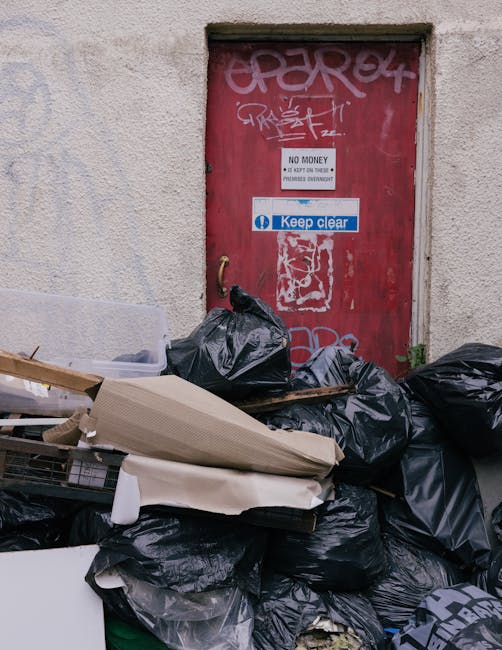
For UB4 households, rubbish removal matters because space is limited, access can be awkward, and the wrong disposal choice can waste time and money. A pile of waste in the front garden or by the back gate can also become an eyesore fast. And let's face it, nobody wants a pile of black bags sitting outside for days while the weather turns damp and a bit grim.
There is also the practical side. Some waste is straightforward. Some items need special handling. Some things should not go in general rubbish at all. Understanding the difference helps you avoid contamination, missed collections, and unnecessary stress. That is the real value of a good local guide: fewer mistakes, cleaner results, less faffing about.
If your home needs a bigger clear-out, it can help to think beyond one-off rubbish and look at wider services like home clearance, house clearance, or a more targeted loft clearance if the clutter has been building above your head for years.
How Yeading rubbish removal guide for UB4 households Works
In simple terms, rubbish removal means collecting unwanted household items, loading them safely, sorting them where possible, and taking them away for lawful disposal, reuse, or recycling. Depending on the job, this might be a single bulky item, a room full of mixed household waste, or a larger domestic clear-out.
For many UB4 households, the process is easier than arranging a skip, especially if you do not want a permit, do not have space on the drive, or simply do not want a container sitting outside for days. A team can arrive, assess the load, and remove everything in one go. That can be a big relief when the job has grown arms and legs.
Typical domestic collections may include old furniture, broken appliances, bagged waste, toys, cardboard, garden offcuts, and general clutter. Some items need extra care. For example, appliance removal is often handled separately, and items like sofas or mattresses are usually best dealt with through dedicated disposal services such as mattress and sofa disposal or fridge and appliance removal.
For a larger or mixed household job, the service may sit alongside wider options such as furniture disposal, furniture clearance, or even garage clearance. The best choice depends on what is actually there, not just what you hope is there after a quick tidy.
Key Benefits and Practical Advantages
The most obvious benefit is convenience, but there is a bit more to it than that. Good rubbish removal saves time, reduces heavy lifting, and helps you deal with waste properly instead of letting it sit around gathering dust and resentment.
- Less physical effort: No dragging a dead washing machine down narrow stairs on your own. That alone is worth something.
- Faster turnaround: Useful if you are preparing for visitors, moving house, or getting ready for decorating.
- Better sorting: Different waste types can be separated for reuse, recycling, or specialist disposal.
- Cleaner access: A cleared hallway, driveway, or rear passage makes the rest of the home easier to manage.
- Reduced risk of mistakes: You are less likely to mix prohibited items into ordinary rubbish.
There is also a psychological benefit people rarely mention. A clear room changes how a home feels. You notice it most when the light hits a clean floor in the morning and there is space to move without sidestepping boxes. Small thing, big difference.
For households with a lot of mixed material, working with a wider waste removal service often makes more sense than trying to break the job into tiny bits. If you are cost-conscious, the sensible next step is to compare a few approaches using the provider's pricing and quotes information before you commit.
Who This Is For and When It Makes Sense
This guide is useful for a wide range of UB4 households. You do not need to be doing a full house move to benefit from it. In fact, the most common jobs are often the smaller, awkward ones that never quite fit into normal routines.
- Families clearing out bedrooms, playrooms, or the loft
- Renters dealing with bulky items before moving out
- Homeowners sorting inherited belongings or long-neglected storage spaces
- People replacing old sofas, wardrobes, mattresses, or white goods
- Garden owners removing hedge cuttings, soil bags, broken pots, and shed waste
- Anyone with limited parking or no suitable place for a skip
It also makes sense when you need flexibility. Maybe the rubbish is spread across different rooms. Maybe there is a bit of everything. Or maybe you are not sure whether the pile is "general junk" or something more specialist. That uncertainty is common, honestly. A lot of people look at a heap of stuff in the corner and think, what even is this category?
In those cases, a service that can handle household interiors, outbuildings, and awkward items is often a better fit than trying to force the job into one narrow solution like a standard skip. For example, a cluttered attic might need loft clearance, while a packed side passage might be more suitable for a broader flat clearance or house clearance approach, depending on the property.
Step-by-Step Guidance
If you want the whole process to feel less chaotic, break it down. Seriously, the job looks smaller once it has a structure.
- Walk through the property first. Check every room, cupboard, loft hatch, shed, and outdoor corner. Look for bulky items, bagged waste, and anything that might need specialist handling.
- Separate the easy wins. Put obvious recycling, donation items, and rubbish into rough groups. You do not need museum-level organisation, just enough to avoid confusion.
- Identify special items. Fridges, freezers, mattresses, sofas, paint, and anything potentially hazardous should be flagged early.
- Clear access routes. Move smaller objects out of doorways and make space by the front path or driveway if possible. The smoother the lift, the less chance of damage.
- Choose the right service. A shed full of garden debris needs a different approach from a sitting room full of old furniture. Use the most suitable service, not just the first one that sounds close enough.
- Ask how the waste will be handled. Good providers should be clear about sorting, recycling, and what happens to non-reusable items.
- Book a convenient slot. Pick a time when you can answer questions and approve what goes. A ten-minute decision at the right moment can save a lot of back-and-forth later.
- Do a final sweep. Check cupboards, behind doors, under beds, and behind the washing machine. That is where the "oh yes, that as well" items always hide.
One practical tip: if you are clearing multiple areas, start with the largest awkward item first. Once the big thing is gone, the rest somehow feels more manageable. It is a small bit of psychology, but it works.
Expert Tips for Better Results
After a lot of household clear-outs, a few patterns become obvious. The jobs that go well usually share the same habits.
Be specific about what needs removing. "General rubbish" is fine as a starting point, but it helps to mention bulky furniture, appliances, bagged waste, or garden materials separately. That makes the collection more accurate and avoids last-minute surprises.
Think in zones, not just items. A garage, loft, and spare room are three very different spaces. A decent plan should reflect that. If you know one area contains only broken furniture, say so. If another area contains mixed clutter and cardboard, mention that too.
Keep special waste apart. Anything that might need extra treatment should stay separate until it is assessed. That is especially true for electrical items, chemicals, and sharp objects. A simple box or corner space is usually enough.
Use your time wisely. If collection day is looming, do not spend an hour debating whether a broken lamp "might come in handy". You know the answer. Or rather, your hallway knows the answer.
Choose recycling-friendly disposal where possible. A provider with a clear recycling and sorting approach is often a better long-term choice than one that simply loads everything and disappears. If sustainability matters to you, it is sensible to look at recycling and sustainability information before booking.
Take photos if the job is complex. Not for drama. Just for clarity. A few pictures of the pile, access route, and larger items can help avoid misunderstandings and speed up the quote process.
Common Mistakes to Avoid
Most rubbish removal problems are avoidable. They usually come from rushing, guessing, or assuming everything can be handled the same way.
- Leaving sorting until the last minute: This is how mixed waste turns into a stressful scramble.
- Forgetting access issues: Narrow staircases, shared hallways, parked cars, and locked side gates matter.
- Putting restricted items in with general waste: Appliances, hazardous items, and some upholstered furniture can require specific handling.
- Booking the wrong type of clearance: A single-item removal is not the same as a full property clearance.
- Assuming price alone is the best guide: Cheap can become expensive if the scope is vague.
- Not checking what happens after collection: Reuse, recycling, and lawful disposal all matter.
There is one mistake people make a lot: they leave a "maybe" pile and hope it sorts itself out. It rarely does. The maybe pile grows. That is its nature. Best to face it early.
Another common issue is mixing recyclable household items with contaminated waste. A clean cardboard pile is one thing; cardboard soaked with food waste is another. That distinction sounds small, but it affects how the material is treated.
Tools, Resources and Recommendations
You do not need specialist equipment for most domestic clear-outs, but a few basics help a lot.
- Heavy-duty bin bags: Useful for light mixed waste, soft furnishings, and small clutter.
- Gloves: A simple way to protect your hands from dust, splinters, and grime.
- Marker pens and tape: Handy for labelling keep, donate, recycle, and remove piles.
- Phone camera: Great for documenting awkward items or showing a collection team the scope.
- Flat-pack dismantling tools: A basic screwdriver set can save a lot of space when breaking down furniture.
For households that are dealing with one dominant category, the site's dedicated pages can help you understand the right direction: garden clearance for outdoor waste, garage clearance for stored clutter, and furniture clearance when the main issue is old bulky furniture.
If you want to be more careful with appliances, keep in mind that not every item is treated the same. A fridge is not just "another big box". Similarly, a damaged sofa is not just a bigger chair. The practical recommendation is simple: identify the item correctly and let the disposal method follow the item, not the other way around.
Law, Compliance, Standards, or Best Practice
Household rubbish removal in the UK sits within a framework of sensible best practice and legal responsibility. You do not need to memorise legislation to make good decisions, but you should understand the basics.
Duty of care matters. In plain English, you should make sure waste is handed to a legitimate operator who can deal with it properly. That protects you from the risk of fly-tipping or poor handling later on. If waste ends up dumped somewhere it should not be, the original householder can sometimes find themselves in a difficult position.
Special items need special handling. Hazardous materials, some electricals, and potentially contaminated waste should not be lumped together with normal household rubbish. If you are not sure, ask before collection. That is far safer than guessing.
Fire safety and access are practical issues, not afterthoughts. Do not block exits, shared hallways, or stairwells with bags or furniture. In a busy London property, that can become a real nuisance very quickly.
Recycling and reuse should be considered first. This is not about being perfect. It is about being sensible. Good operators tend to separate reusable or recyclable material where possible, and that is generally the right expectation.
If you are comparing providers, it can also be useful to read policy pages such as insurance and safety, health and safety policy, and terms and conditions. They help set expectations in plain terms and show how the work is managed.
Options, Methods, or Comparison Table
There is no one-size-fits-all method. The right option depends on how much waste you have, what type it is, and how quickly you need it gone.
| Option | Best for | Pros | Watch-outs |
|---|---|---|---|
| Manual trip to the tip | Small loads, a few items, simple waste | Can be cost-effective if you already have suitable transport | Time-consuming, lifting involved, multiple trips may be needed |
| Skip hire | Projects with steady waste over several days | Useful for ongoing clear-outs and renovation work | Needs space; may involve permit or access considerations |
| One-off rubbish removal | Bulky items, mixed household waste, quick clear-outs | Fast, convenient, less lifting for the household | Scope needs to be clear so the job is priced properly |
| Dedicated clearance service | House, flat, loft, garage, garden, or furniture-heavy jobs | More tailored to the type of waste and property | Choosing the wrong type can mean less efficient handling |
For many UB4 homes, a direct collection is the sweet spot. You get the space back quickly without needing to manage a container or multiple runs. If you are dealing with just a sofa or a single mattress, specialist disposal can be the smarter route. If the whole room has become a storage unit by accident, a broader clearance is usually better.
Case Study or Real-World Example
Here is a realistic example. A family in Yeading decides to clear out a spare room before turning it into a nursery. The room contains an old wardrobe, two office chairs, a broken cot frame, boxes of mixed toys, and several bags of forgotten clothes. There is also a mattress wedged behind the door, because of course there is.
Instead of trying to do it in bits over three weekends, they sort the items into simple groups: furniture, soft items, reusable bits, and general waste. They clear the walkway first, take a couple of photos, and arrange a collection that covers both the bulky furniture and the smaller mixed waste. The job is finished in one visit, and the room is usable the same day.
The key thing here is not the exact items. It is the approach. They did not overcomplicate it. They identified the awkward pieces early, used the right service category, and avoided the all-too-common "we'll just leave it in the hall for now" trap. That is often where jobs start to unravel.
Another household might do the same with a garden shed. Broken pots, old tools, black bags, a rusted barbecue, and a pile of wood offcuts can all add up fast. For that kind of mess, a garden clearance or wider domestic collection tends to make much more sense than trying to drag everything out piecemeal.
Practical Checklist
Use this before you book or before collection day. It keeps things calm, and calm is underrated.
- Walk through every room, loft, shed, and outdoor storage area
- Separate bulky items from bagged general rubbish
- Identify mattresses, sofas, fridges, freezers, and electrical items
- Keep hazardous materials apart until you know how they should be handled
- Clear hallways, staircases, and doorways
- Check whether parking or access could be an issue
- Take photos of the waste if the job is large or mixed
- Ask about recycling, reuse, and disposal methods
- Review pricing details before confirming the booking
- Do a final sweep for items hiding behind doors or under furniture
If the job includes documents or sensitive paperwork, do not just toss them into open bags. Keep them separate and consider confidential shredding where appropriate. It is one of those little steps that saves a lot of awkwardness later.
Get a free quote today and see how much you can save.
Conclusion
A sensible Yeading rubbish removal plan for UB4 households is really about matching the right method to the right mess. Once you know what you have, what needs special handling, and how much access you have, the whole thing becomes much easier to manage. No drama, no guesswork, no half-finished piles living in the hallway for another month.
Whether you are clearing one bulky item, a cluttered loft, or an entire room that has become a storage zone, the best outcome usually comes from simple preparation and a clear plan. Start small, sort honestly, and choose the service that actually fits the job. That is usually how the smoothest clear-outs happen.
And if today is the day you finally get that pile under control, fair play. It is a good feeling when a room starts breathing again.
Frequently Asked Questions
What is the best rubbish removal option for a typical UB4 household?
For most homes in Yeading and the wider UB4 area, a one-off household rubbish removal service is often the simplest option, especially for bulky items, mixed waste, or a quick clear-out. If the waste is spread across several rooms or includes furniture, a more tailored clearance may be a better fit.
Can I combine furniture, garden waste, and general rubbish in one collection?
Often yes, but it depends on how the waste is mixed and what items are included. Keeping categories separate where possible makes the job easier to assess and helps avoid issues with items that need specialist handling.
Do I need a skip for a home clear-out in Yeading?
Not always. A skip can be useful for ongoing DIY or renovation waste, but it is not ideal for every household. If you have limited space, awkward access, or just want everything removed in one visit, a collection service may be more practical.
What items need special care during rubbish removal?
Fridges, freezers, mattresses, sofas, electrical items, and anything potentially hazardous should be checked carefully before disposal. Some of these items may be better handled through specialist services such as appliance removal or hazardous waste disposal.
How do I know if my rubbish removal provider is suitable?
Look for clear information on pricing, safety, waste handling, and what happens after collection. It also helps if the provider explains its terms, insurance, and sustainability approach in plain language.
Is rubbish removal useful for flats as well as houses?
Yes, absolutely. In fact, flats often benefit even more because access, stairs, shared entrances, and limited storage can make waste removal tricky. A flat-focused clearance can save a lot of effort.
What should I do with an old fridge or freezer?
Do not leave it with ordinary rubbish without checking first. Fridges and freezers usually need separate handling, so it is wise to arrange dedicated appliance removal rather than guessing.
Can I remove a mattress with my regular rubbish?
Usually it is better to use a mattress disposal service. Mattresses are bulky, awkward, and often handled differently from general household waste, so a specialist approach is usually cleaner and simpler.
How much preparation do I need to do before collection?
Not too much, but a bit of prep helps. Clear access routes, separate any items you want to keep, and point out anything that might need special handling. You do not need to stage the place like a photo shoot. A tidy walkway and clear instructions are enough.
Is it better to clear the loft, garage, or garden first?
Start with the area that creates the biggest access problem or the most bulky waste. Often that is the loft or garage, because once the large stored items are gone, the rest becomes much easier to sort.
What happens to the waste after it is collected?
That depends on the provider and the waste type, but the usual expectation is that items are sorted for reuse, recycling, or lawful disposal. If sustainability matters to you, ask about the process before booking.
Where can I find more details about booking and service expectations?
You can review practical pages like book online, pricing and quotes, and about us for a clearer sense of how the service is organised and what to expect.