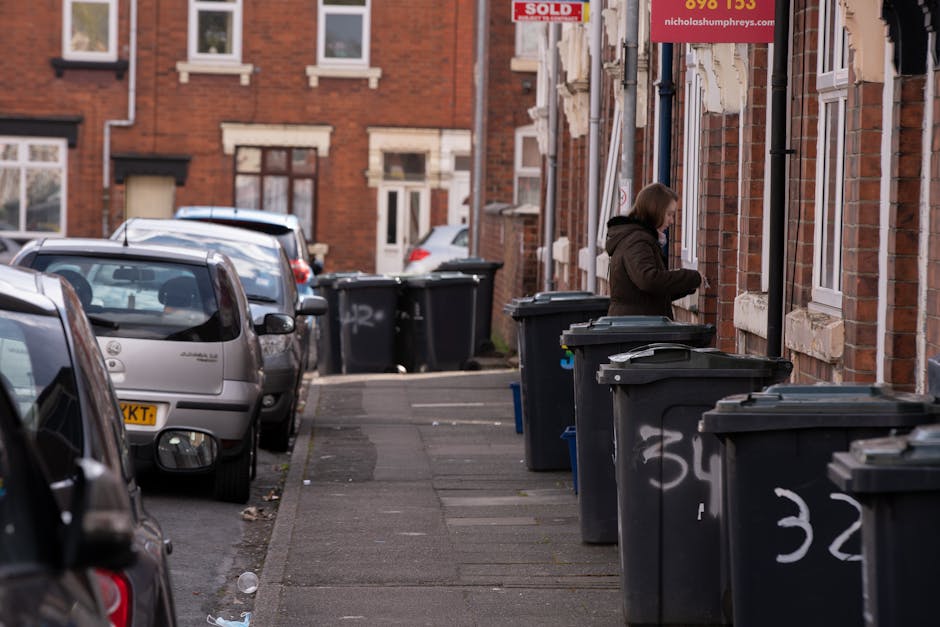
Bulky item rubbish collection access tips for Yeading Lane UB4
If you are arranging a bulky item rubbish collection on Yeading Lane in UB4, the real challenge is often not the item itself. It is the access. A sofa that looks simple enough in the living room can turn into a right faff if the path to the front door is narrow, a hallway is tight, or parking is awkward for the collection team. This guide on Bulky item rubbish collection access tips for Yeading Lane UB4 breaks the process down in plain English, so you can avoid delays, protect your home, and make the pickup smooth from start to finish.
We will cover what access planning actually means, why it matters, how bulky item removal usually works in practice, and the practical checks that make a big difference. You will also find a comparison table, a useful checklist, and a realistic local example. Nothing flashy. Just the kind of advice that saves time on a busy morning.
Table of Contents
- Why access planning matters on Yeading Lane
- How bulky item collection access works
- Key benefits and practical advantages
- Who this is for and when it makes sense
- Step-by-step guidance
- Expert tips for better results
- Common mistakes to avoid
- Tools, resources and recommendations
- Law, compliance, standards and best practice
- Options, methods and comparison table
- Case study / real-world example
- Practical checklist
- Conclusion
- Frequently asked questions
Why Bulky item rubbish collection access tips for Yeading Lane UB4 Matters
Access is the hidden variable in bulky waste removal. The item might be ready, but if collection crews cannot park safely, reach the property entrance, or carry the load without damage, the job becomes slower and more stressful. On a street like Yeading Lane, where traffic movement, driveways, paving widths, and shared access points can all vary, a little planning goes a long way.
There is also a simple truth here: bulky items are awkward. A wardrobe can snag on banisters. A mattress bends at the wrong point. A fridge is heavy in a way that looks almost rude. If you have ever tried to rotate a sofa through a hallway with one corner into the skirting board, you will know exactly what we mean. Access tips are not a nice-to-have. They are the difference between a tidy pickup and a slow, messy one.
Good access planning helps with three things:
- Speed - the crew can get in and out efficiently.
- Safety - fewer chances of slips, knocks, or strained lifting.
- Protection - less risk of damage to doors, walls, floors, and the item itself.
It also helps you avoid confusion. If you are booking a clearance service, being clear about parking, stairs, gates, lift access, and item size means the provider can come prepared. That sounds obvious, but in real life, people often focus on the waste and forget the route out. Then everyone is standing in the hallway at 8:30 in the morning having a slightly awkward conversation.
How Bulky item rubbish collection access tips for Yeading Lane UB4 Works
In practical terms, bulky item collection access planning is a pre-check. You look at the path from the item's current location to the vehicle and identify anything that could interrupt the move. That might be a flight of stairs, a tight front path, a low branch, a parked car, or a gate that opens inward and blocks the route.
The collection process usually follows a simple pattern. First, the job is assessed. Then the team arrives with the right vehicle and lifting approach. Then the item is carried, loaded, and taken away for reuse, recycling, or disposal depending on condition and type. If you want a broader overview of disposal and clearance options, the site's waste removal service and recycling and sustainability information are useful reference points.
For mixed household clearances, people often combine bulky item pickup with related services such as furniture disposal, mattress and sofa disposal, or even a wider home clearance. That matters because access needs can change depending on whether one sofa is being removed or several large items are being shifted in one visit.
On Yeading Lane UB4, the practical questions are usually these:
- Can the vehicle stop close enough to the property?
- Is there a clear route from the item to the exit?
- Are there stairs, turning points, or low ceilings?
- Will the item fit through doors without dismantling?
- Is the collection area safe, visible, and not blocked by bins, bikes, or garden tools?
Answer those honestly and you are already ahead. No drama, no guesswork.
Key Benefits and Practical Advantages
People usually think the benefit of access planning is speed, but there is a bit more to it than that. Done properly, it can save time, money, and a fair amount of stress.
- Fewer delays: the team can work without backtracking to measure doorways or move obstacles.
- Lower risk of damage: corners, walls, banisters, and flooring are all better protected when the route is prepared.
- Better pricing accuracy: clear access details help the provider estimate the job more realistically.
- Safer manual handling: lifting heavy or oversized objects is much easier when the access route is clear.
- More efficient recycling outcomes: if items are collected in good condition and sorted properly, reuse and recycling are more feasible.
There is a softer benefit too. When the job feels organised, everyone relaxes. The resident is less worried about scratches on the paintwork. The crew can concentrate on the lift. It becomes a straightforward collection rather than a mini-operation.
If your bulky item is part of a bigger clear-out, you may also want to look at house clearance, flat clearance, or garage clearance. Those pages can help when one bulky item turns into five. And let's face it, that happens more often than people expect.
| Approach | Best for | Access considerations | Typical strength |
|---|---|---|---|
| Single bulky item pickup | One sofa, mattress, wardrobe, or appliance | Quick route, basic parking, minimal obstruction | Simple and fast |
| Room-by-room clearance | Several items from one floor or one room | More corridor and stair planning needed | Good for decluttering |
| Whole-property clearance | Moves, probate, end-of-tenancy, major declutter | Access must be mapped carefully, often with more labour | Most comprehensive |
| Specialist item removal | Fridges, appliances, awkward or heavy items | May need extra handling or isolation of the route | Safer for difficult loads |
Who This Is For and When It Makes Sense
These access tips are useful for just about anyone arranging a bulky item collection in UB4, but they are especially helpful if your property has any of the following:
- a narrow hallway or staircase
- shared access with neighbours
- a front garden, gate, or path with limited width
- basement, loft, or upper-floor storage
- limited parking outside the property
- items that need two people or careful manoeuvring
It also makes sense if you are dealing with specialist items. A fridge, for example, may need the power disconnected in advance and the route cleared well before the crew arrives. If that is your situation, the fridge and appliance removal page may be useful. Likewise, if the item is a heavy mattress or a bulky sofa, see mattress and sofa disposal for more context.
It is not just for homeowners, either. Landlords, letting agents, office managers, shops, and tradespeople all run into access issues. A manager clearing out a small office can have exactly the same issue as a family moving a sofa: the item is fine, but the route is the thing that slows everything down.
If your collection is tied to a business premises, business waste removal may be more relevant. For office settings, the office clearance page gives a better fit.
Step-by-Step Guidance
The easiest way to handle bulky item access is to think like the collection team before they arrive. Walk the route. Look at the obstacles. Be honest about the difficult bits. Here is a practical sequence that works well.
- Measure the item roughly. Width, height, and depth are the key points. If you have the original product dimensions, even better.
- Check the exit route. From room to doorway, note tight turns, low ceilings, stair bends, and door widths.
- Clear the path. Move shoes, bins, prams, pet bowls, bikes, and loose clutter out of the way. It sounds small. It is not small.
- Plan for parking and stopping space. If the vehicle needs to pull up close, make sure the access point is not blocked by another car or temporary obstacle.
- Prepare the item. Empty drawers, remove cushions, tape loose doors shut where appropriate, and unplug appliances in advance.
- Protect surfaces. Use cardboard, blankets, or a runner where sensible, especially on stairs and narrow halls.
- Keep the route open on the day. If you have children, pets, or neighbours sharing access, make sure the path stays clear until collection is done.
A good rule of thumb: if you would struggle to walk through the route while carrying a laundry basket, a bulky item will probably need even more care. That is the moment to slow down and re-check things.
For larger clear-outs, you may want to pair this approach with a broader service such as furniture clearance, loft clearance, or garage clearance. The access planning is basically the same, just with more moving parts.
Expert Tips for Better Results
Here are the details that often make the biggest difference in real collections. Not the glamorous bits. The practical bits.
- Send clear photos if asked. A picture of the item, the doorway, and the route to the exit helps a team judge the job much better than a vague description.
- Think about turning space. People often measure door width and forget the turn immediately after it. That corner can be the whole problem.
- Beware of low lighting. A dark hallway or dim stairwell makes lifting more difficult, especially if the item is large and awkward.
- Keep fragile items away from the route. A vase on a narrow shelf is not just decoration if the sofa has to pass within inches of it.
- Remove detachable parts. Legs, shelves, cushions, doors, and drawers can make an item much easier to carry.
- Use the right service for the item. A standard rubbish collection is not always the best fit for a specialist appliance or a bulky upholstered piece.
One small but important tip: check the collection point outside as well as inside. We have seen jobs slowed down because there was plenty of room indoors, but the kerbside access was blocked by a neighbour's van or a tight driveway angle. A rather annoying detail, but a real one.
If the item is no longer usable and you want to avoid landfill where possible, ask about recycling routes and treatment options. The site's recycling and sustainability page is a useful place to start.
Common Mistakes to Avoid
Most access problems are preventable. The frustrating part is that they are often caused by things that seemed too minor to mention beforehand.
- Underestimating size: "It should fit" is not a measurement.
- Forgetting stairs or corners: one awkward turn can stop the whole move.
- Leaving clutter in the way: collection teams are not there to tidy the hallway before they can start.
- Ignoring parking: if the vehicle cannot stop nearby, the carry distance gets longer and more difficult.
- Not mentioning shared access: flats, maisonettes, and shared drives need different planning.
- Skipping appliance prep: fridges and other electrical items often need a bit of care before removal.
There is also a common emotional mistake: waiting until the last minute to deal with the item because it feels too awkward. That is understandable. People do it all the time. But if you leave it too late, the collection becomes rushed and the access checks become sloppy. A quick five-minute walk-through can prevent a lot of stress.
When hazardous or unusual items are involved, do not guess. Use the correct service and, if needed, separate the item from general bulky waste. For items that may involve risk or special handling, see hazardous waste disposal.
Tools, Resources and Recommendations
You do not need specialist gear for most bulky item collections, but a few simple tools make the job easier. Nothing fancy, just sensible preparation.
- Tape measure: useful for doorway widths, hall bends, and item dimensions.
- Phone camera: photos help with planning and reduce surprises.
- Moving blankets or old sheets: handy for protecting walls and flooring.
- Gloves with grip: useful if you are moving smaller pieces or clearing a route.
- Torches or bright lighting: especially helpful in lofts, garages, and dim stairwells.
For people who are comparing service types, a few linked pages can help you decide what fits best. If you are unsure what a skip can take compared with a direct collection, read what can go in a skip. If you need a structured, quoted removal rather than doing the lifting yourself, the pricing and quotes page is worth a look. And if you prefer to make arrangements quickly, you can use book online.
For trust and service background, it is also sensible to read about the company itself. The about us page, insurance and safety, and health and safety policy pages can help you feel more confident about how collections are handled.
Law, Compliance, Standards, or Best Practice
For bulky item collections in London, compliance is mostly about safe handling, lawful disposal, and sensible property access. You do not need to become a legal expert to get this right, but you should keep a few good practices in mind.
First, make sure waste is handed to a legitimate operator who can manage disposal responsibly. In the UK, householders and businesses both have a duty to be careful about who takes their waste. That is not just paperwork; it is part of avoiding fly-tipping and poor disposal practices. Ask questions if you need to. A decent provider should be able to explain what happens to items after collection.
Second, keep access safe. Shared entrances, public pavements, and road-side loading all need a sensible approach so that people are not put at risk. If a collection involves blocking a pathway or working near traffic, it should be done in a controlled way. Best practice usually means good communication, clear timing, and not overloading the route with extra items.
Third, separate special waste from ordinary bulky waste. Fridges, chemicals, certain electrical items, and other awkward materials may need specific handling. It is much better to raise that upfront than to leave it until the crew is standing at the front door. Truth be told, that is where most avoidable headaches begin.
For business clients, there may also be record-keeping and disposal expectations around commercial waste. If your clearance is connected to a workplace, the business waste removal and office clearance pages are the most relevant starting points.
Options, Methods, or Comparison Table
There are a few ways to handle bulky items around Yeading Lane UB4. The right choice depends on item type, access, and how much you want done in one visit.
| Method | Best used when | Access effort | Pros | Watch-outs |
|---|---|---|---|---|
| One-off bulky item collection | You have one or two large items | Low to moderate | Fast, simple, minimal disruption | Less efficient if you later find more items |
| Furniture-specific clearance | Sofas, tables, wardrobes, mixed furniture | Moderate | Good for home declutter jobs | May need item breakdown or extra route clearing |
| Room or property clearance | Several rooms, probate, tenancy changeover | Moderate to high | Comprehensive and efficient in one visit | Needs clearer access planning and item sorting |
| Skip-based disposal | You are generating waste over time | Depends on placement | Flexible for mixed waste | Not ideal for heavy lifting from upper floors |
If you are unsure whether your job is more furniture-led, property-led, or mixed waste-led, that comparison should help. For example, a single old sofa is different from a half-cleared loft with a broken chair, boxes, and a storage unit worth of odds and ends. Different problem. Different solution.
For bigger furniture-focused jobs, the furniture clearance and house clearance services are usually the most practical options.
Case Study or Real-World Example
Picture a typical late-morning collection on Yeading Lane. A resident needs an old three-seater sofa removed from a first-floor living room. The sofa is not damaged, but it is long enough that the landing turn looks tight, and there is a front path with a slight bend near the gate.
Before the crew arrives, the resident does a quick check. The hallway shoes are moved, the front gate is left fully open, and a small bike is shifted away from the entry point. They also send a couple of photos of the sofa and the hallway, which helps set expectations. Nothing dramatic. Just sensible preparation.
On arrival, the crew can see the route clearly. They protect the floor at the narrowest point, tilt the sofa carefully at the landing, and carry it out without needing to stop halfway through to rethink the angle. The whole process is calmer because the access was thought through beforehand. Five minutes of prep probably saved fifteen minutes of awkward manoeuvring.
That is the pattern, really. Most bulky item collections go better when the access story is clear before anyone lifts a thing.
Practical Checklist
Use this quick checklist before your bulky item collection day. It is simple, but it catches the things people forget.
- Measure the item roughly and note any removable parts.
- Check door widths, stair turns, and hallway bends.
- Clear shoes, bins, prams, bikes, and clutter from the route.
- Make sure parking or stopping space is available.
- Open gates and unlock shared access points if needed.
- Unplug appliances and empty drawers or shelves.
- Protect flooring if the route is tight or delicate.
- Keep pets and children out of the carrying route.
- Tell the provider about anything awkward in advance.
- Confirm whether the item needs special handling.
Expert summary: the safest bulky item collections are rarely the ones with the strongest lifting team alone; they are the ones with the clearest access route, the best communication, and the least clutter in the way.
If you want to understand the wider service standards behind a collection, you may also find the pages on insurance and safety and payment and security reassuring. They are not the most exciting reads, fair enough, but they do matter when choosing who to trust with your home or premises.
Conclusion
Bulky item rubbish collection on Yeading Lane UB4 becomes much easier when you treat access as part of the job, not an afterthought. Measure the route, clear the obstacles, think about parking, and be honest about awkward turns or shared entrances. That one bit of prep can save time, reduce damage risk, and make the whole collection feel far more manageable.
Whether you are shifting a sofa, a mattress, an old fridge, or several items from a home or business property, the same principle holds: clear access is good access. And good access makes everything calmer. Which, on a busy day, is worth a lot.
Get a free quote today and see how much you can save.
If you are ready to plan your collection properly, start by gathering a few photos, checking the route from room to vehicle, and choosing the most suitable service type. A little preparation now saves a lot of scrambling later, and that is usually the best deal of all.
Frequently Asked Questions
What are the most important access tips for bulky item rubbish collection on Yeading Lane UB4?
The most important tips are to measure the item, clear the route, check parking space, and warn the provider about stairs, gates, or tight turns. A clean access path is usually the biggest time-saver.
Do I need to dismantle furniture before collection?
Not always. But if a bed, wardrobe, or large table has removable parts, taking them off can make the collection much easier. If dismantling would help the item pass through narrow areas, it is usually worth doing.
What if the bulky item will not fit through the doorway?
If it will not fit safely, do not force it. Check whether the item can be partly dismantled or removed through a different route. If not, tell the provider before the collection so they can advise on the next step.
Is parking a big issue for bulky item collection?
Yes, it can be. If the collection vehicle cannot stop close enough to the property, the carry distance increases and the job becomes slower. On busy streets, parking is often the thing that causes the most friction.
Can bulky item collection work for flats or upper-floor homes?
Yes, but access planning matters even more. Stairs, landings, communal hallways, and lift use all need to be considered. For these situations, flat clearance may be a better fit than a simple one-item pickup.
What bulky items need special handling?
Fridges, some appliances, heavy upholstered items, and anything that may contain hazardous components should be flagged early. If you are unsure, ask rather than guessing. The wrong assumption can slow the whole job down.
How should I prepare a mattress or sofa for collection?
Remove loose bedding, cushions, or throws, and clear the route so the crew can move it cleanly. For more specific guidance, the mattress and sofa disposal page is a useful reference.
Can I leave bulky items on the pavement before collection?
Only if the provider has told you that this is acceptable and it is safe to do so. Unattended items can create obstruction or security issues, so it is better to confirm the collection process in advance.
What happens if access is worse than I described?
Then the job may take longer or need adjustment. Good communication helps most. If you know the route is difficult, say so early. It is much easier to plan for a tricky hallway than to discover it while carrying a wardrobe downstairs.
How do I know whether I need furniture clearance or general waste removal?
If the job is mainly large household items, furniture clearance is usually the better match. If you have a mix of loose waste and bulky items, a broader waste removal approach may be more suitable. The right choice depends on what is actually being taken, not just the size of the objects.
Is there a best time of day for bulky item collection on Yeading Lane UB4?
Usually, the best time is when access is likely to be least obstructed. That might mean avoiding school-run traffic, busy work hours, or times when neighbours are likely to block a shared driveway. A little timing care can make the collection feel much smoother.
Who should I contact if I want to book a collection or ask about access?
If you are comparing options or want to move forward, you can review the service details on the site and use the booking or enquiry pages that suit your situation. For general company information, the about us and contact us pages are the most direct starting points.